The Four Pillars of Strong Outdoor Recreation Economies: Pillar #1 Natural Lands & Waters

In the second installment of the series exploring the Characteristics of Strong Outdoor Recreation Economies, Senior Associate, Community & Recreation Planning, Alex Belensz, talks about the first of four pillars that make up SE Group's community-centric framework for understanding and supporting outdoor economies: Natural Lands & Waters.
Pillar #1: Natural Lands & Waters
Compelling Natural Landscapes
Strong outdoor economies are built around the natural spaces that bring us outdoors. We might immediately picture these as the grand landscapes – snowcapped peaks, red rock canyons, old growth forests, powerful cascades – that populate social media and major publications, and we should. These places have long captivated us and inspired a variety of outdoor pursuits. Some of the most well-established outdoor economies sit at the gateways to these parks and forests.
We should also picture the more pastoral and developed settings that call to us – rolling farm fields, local nature preserves, small lakes dotted with cabins, downtown riverfronts. Strong outdoor economies will grow when people work to work to cultivate, steward, activate, and celebrate these places.
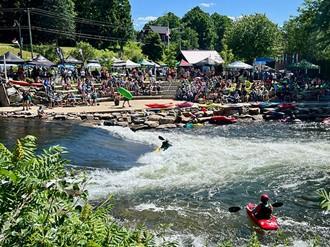
Mill City Park in Franklin, NH
Some of my favorite of these “non-traditional” places include Lancaster and York Counties in South Central Pennsylvania. Historically known for their agricultural heritage tourism – Amish communities, dairy products, and expansive urban food markets – these neighboring counties have made strides to activate recreational experiences and deliver local economic benefits through the creation and activation of rail trails, nature preserves, and paddling opportunities. In both counties, outdoor destinations tie into the area’s branded cultural offerings, derived from a strong sense of place. People play outside in the same pastoral landscapes that fill their dinner plate, pint glass, and ice cream cone. A recipe for success if there ever was one.
Balanced Access & Conservation
Strong outdoor economies spring from healthy lands and ecosystems. Resilient, structurally complex forests support the hunter and the hiker. Clean waters and healthy riparian areas support the angler, the boater, and the beachgoer. The work of managing threats to these landscapes – climate pressures, invasive species, wildfire, habitat loss, water quality impairments – is also the work of sustaining outdoor access.
In more pastoral settings - the Lancaster’s and York’s of the world - planning partners in strong outdoor economies work to thoughtfully balance landscape protection and growth. In the late 1980’s, Lancaster County took visionary steps towards this goal, establishing an urban growth boundary for Lancaster City and setting aside funds for open space and farmland preservation. Today, the County’s has protected over 125,000 acres of farmland and nearly 10,000 acres of nature preserves. These landscapes – now traversed by a growing network of rail trails and hiking paths that complement the scenic agricultural back roads - sit at the doorstep of a vibrant downtown Lancaster City. In more recent years, County leaders have worked to tap into the economic potential of outdoor recreation as a tool for small town Main Street revitalization and workforce attraction through strategic planning and coordination.
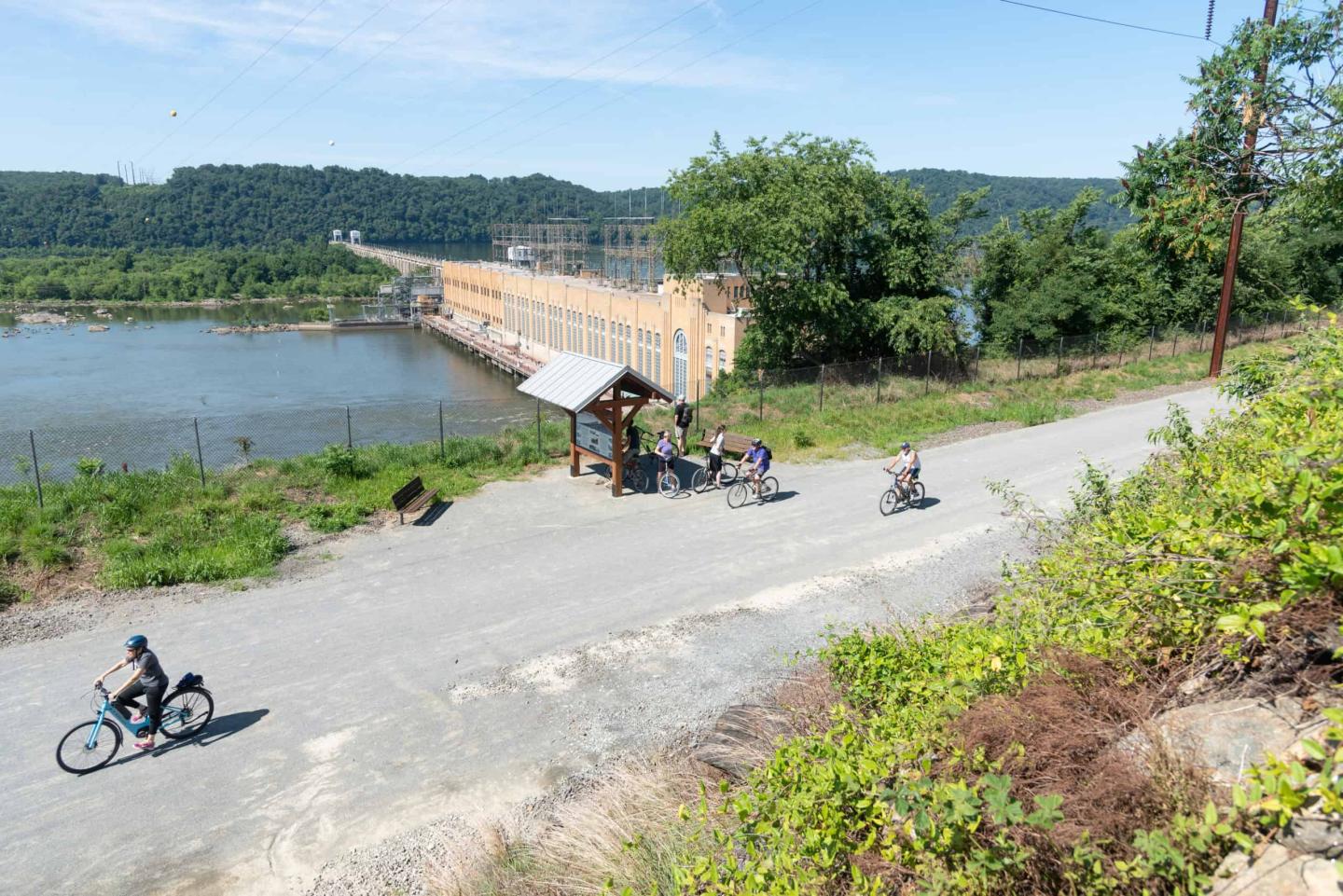
Enola Low Grade Rail Trail. Photo courtesy Susquehanna Greenway Partnership.
Back to those agricultural roads for a minute. During our work with County leaders, we mapped out all the roads with frontage along preserved farmland in the county - 672 miles worth. Next, we checked out the Strava heatmap to get a sense of how these roads are used recreationally. In the heatmap, we’d typically expect to see a few key “trunk lines” – routes and roads that are particularly popular with bicyclists that show up strongly on the heatmap. In rural Lancaster County, the heatmap looks like a spider web. Bicyclists are fanning out all across the road network, taking advantage of the scenic, low-traffic riding experience delivered by the preserved agricultural landscape. We wouldn’t see this if these lands had been gobbled up by subdivisions and strip development. Here, preservation delivers recreation.
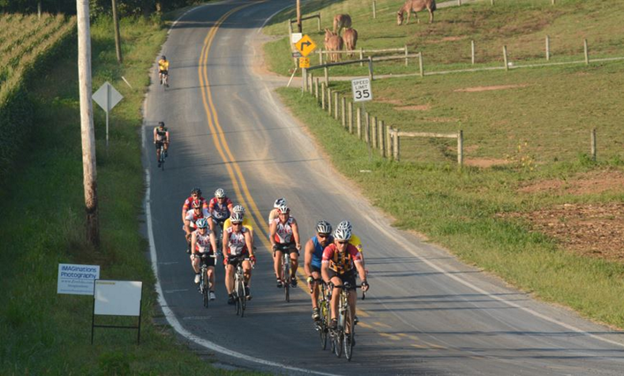
Bicyclists participating in the Covered Bridge Classic in Lancaster County, PA
Strong outdoor economies do not over-leverage their natural assets. In areas with high recreation pressure, local partners thoughtfully address the dual mandate of managing outdoor access and sustaining the health of the natural resource and host communities, which can be impaired by heavy use. In places seeking to grow the economic impact of outdoor recreation, this can feel contrary to economic goals. But there are risks to growing too big, too fast. In the long run, places that find balance are the most well-positioned for long-term success.
Visitor use management is a sliding scale. At Costa Rica’s Monteverde Cloud Forest Reserve, managers work to balance recreation pressures (over 120,000 visitors per year) with their ecological mission to protect one of the world’s most biodiverse habitats. Strategies include maximum daily visitor capacities and groups sizes and limiting recreational access to an 8-mile trail network, leaving over 95% of the reserve’s 26,000 acres untouched. A short drive down the mountain, the town of Monteverde is finding success as a tourism-oriented community to a tightly managed destination.
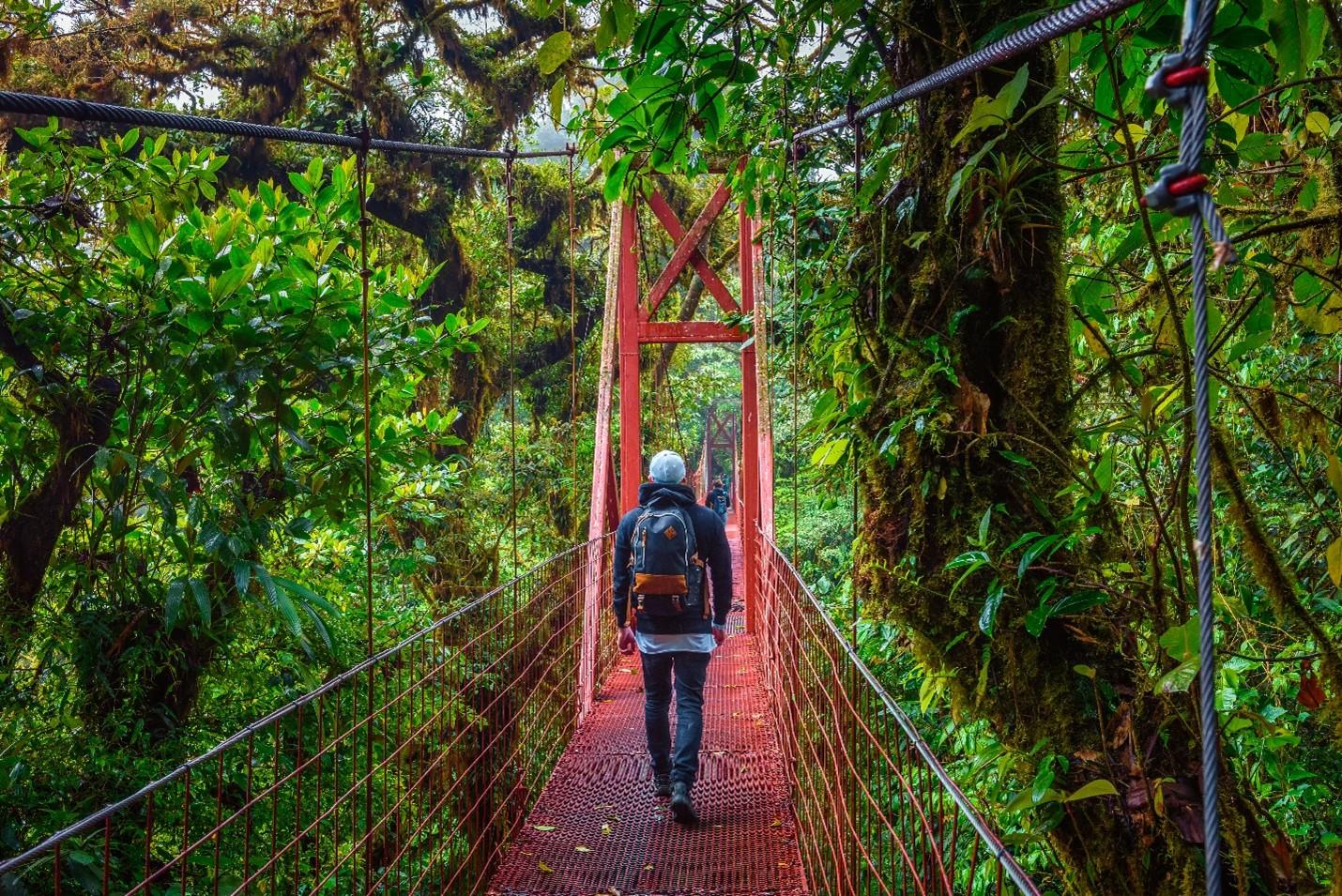
Monteverde Cloud Forest
In other settings, outdoor economy partners employ softer approaches, like visitor education messaging and responsible tourism promotion strategies. A few years back, in northern New England, the mountain bike community was having a growing problem. In a region where many mountain bike trail systems are located on private land, key landowners were losing patience with surging trail use and some poor behaviors. Many riders were seemingly unaware that they were recreating on private land. In response, partners across the region launched the Ride With Gratitude campaign to better educate trail users on proper etiquette and stewardship. The project has had an impact, with over two-thirds of riders observing improved behaviors and over half reporting that the campaign had changed their own behavior.
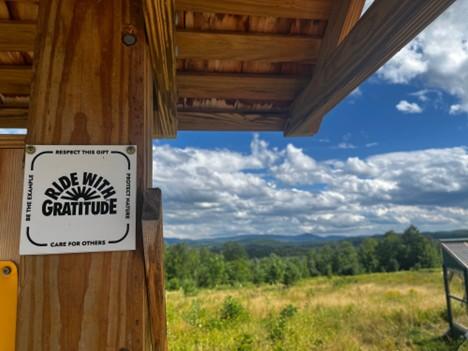
“By generating goodwill with landowners, we now find ourselves having additional landowners wondering how they can connect their properties to our network.” – Franconia Area Chapter of the New England Mountain Bike Association on the Ride With Gratitude campaign
Regardless of scale or setting, the key is balance - informed by thoughtful monitoring, communication between land managers and economic leaders, and proactive management.


